

📣 Create Blog for Traders!
Stop Watching news - Start Making it.
START



White House Stablecoin Summit 2026: The Yield Battle
By Regulatory & Digital Assets Desk | Last Updated: February 21, 2026
The battle for the future of global money has reached a deadlock inside the highest office in the United States. Following a tense third meeting at the White House, representatives from the world’s largest traditional banks (TradFi) and leading cryptocurrency executives emerged with a familiar, diplomatic statement: "To be continued."
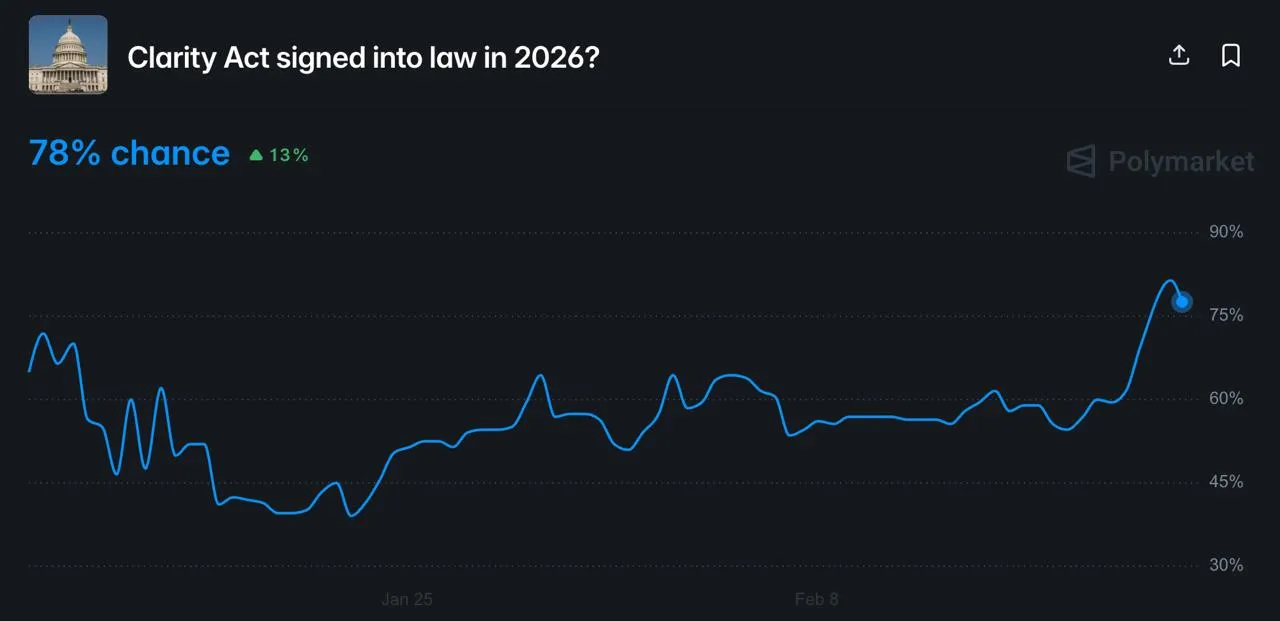
Despite both sides labeling the discussions as "constructive," an agreement regarding the issuance and regulation of yield-bearing stablecoins remains elusive. The Biden administration is reportedly playing hardball, signaling an intention to lock the parties in negotiations until a consensus is forged. With Polymarket odds for a 2026 stablecoin bill sitting at 78% and rumors of an April deadline circulating, the stakes have never been higher for the financial sector.
Risk Disclosure: Trading digital assets based on regulatory rumors or prediction market odds (like Polymarket) carries an extreme risk of capital loss. Political landscapes can shift overnight, and a breakdown in White House negotiations could trigger sudden market volatility. Never allocate capital strictly based on anticipated legislative outcomes.
Featured Snippet Answer: The core conflict at the White House stablecoin meetings revolves around "yield-bearing stablecoins." Cryptocurrency companies want the legal right to pay interest directly to stablecoin holders, similar to a high-yield savings account. Traditional banks heavily oppose this, fearing it will cause a massive flight of retail deposits out of the traditional banking system and into the crypto sector.
To understand the severity of this deadlock, we must look at the underlying economics of the banking sector in 2026:
- The TradFi Model: Banks rely on cheap retail deposits (often paying less than 0.5% APY) to fund their lending operations and generate profit.
- The Crypto Threat: If a fully regulated, dollar-backed stablecoin is allowed to pass the yield of US Treasury bills (currently hovering around 4-5%) directly to the consumer, the incentive to hold money in a traditional bank account evaporates.
- The Compromise Dilemma: The current alternatives being discussed at the White House heavily favor the banks, requiring crypto issuers to make severe concessions regarding how much yield they can offer and to whom.
With official channels remaining tight-lipped, institutional traders and retail investors have turned to decentralized prediction markets to gauge the probability of a legislative breakthrough.
Currently, Polymarket data indicates a 78% probability that a comprehensive stablecoin regulatory framework will be signed into law before the end of the year.
However, insider sentiment diverges from the broad market consensus:
- The April Rumor: Select industry insiders are aggressively lobbying and positioning for the bill to be passed by April 2026. This accelerated timeline is driving current market urgency.
- The Political Reality: The 78% odds reflect the sheer force of the White House's mandate. The administration has explicitly stated it intends to hold the parties hostage at the negotiating table until a deal is struck, signaling that failure is not an option in an election cycle year.
From a trading desk perspective, regulatory stalemates create specific, actionable market conditions. When the news broke that the third White House meeting ended without a compromise, the immediate reaction was not a sell-off in stablecoin market caps, but a shift in DeFi yield strategies.
- The Arbitrage Opportunity: Because fully compliant, native yield-bearing stablecoins are stalled in Washington, traders continue to utilize decentralized lending protocols (like Aave or Compound) to manually generate yield on non-interest-bearing stablecoins (like USDC or USDT).
- The Risk of the Squeeze: If a bill is suddenly passed in April that restricts how stablecoins can be used in decentralized finance, we could see a massive, violent unwinding of these leveraged yield positions.
- The Lesson: Traders must hedge their bets. Relying entirely on unregulated DeFi yields while the White House actively negotiates the legal parameters of digital dollars is akin to picking up pennies in front of a steamroller. Regulatory clarity from agencies like the Federal Reserve will ultimately dictate the winners.
The "To be continued" statement from the White House is a testament to the immense power struggle between the legacy banking system and the digital asset economy. While the 78% Polymarket odds suggest a resolution is imminent, the details of that resolution will likely define the profitability of cryptocurrency companies for the next decade. Until the ink is dry on a regulatory bill, the market remains in a volatile state of speculation.
Q: What is a yield-bearing stablecoin? A: It is a digital currency pegged to a fiat currency (like the US Dollar) that automatically pays interest to the wallet holder, typically funded by the reserves (like US Treasuries) backing the token.
Q: Why is the White House involved in crypto meetings? A: Stablecoins are increasingly viewed as a systemic component of the US financial system. The White House, along with the Treasury Department, wants to ensure that stablecoins do not undermine the dominance of the US Dollar or destabilize traditional commercial banks.
Q: Are Polymarket odds an accurate predictor of government action? A: Polymarket reflects the aggregated sentiment and financial bets of its users. While it is a powerful tool for gauging market expectations (often called the "wisdom of the crowd"), it is not a crystal ball and cannot account for closed-door political maneuvering.
- Prediction Market Data: Polymarket - Stablecoin Regulation Odds
- Central Banking Context: Federal Reserve - Central Bank Digital Currencies & Stablecoins
- Financial Education: Investopedia - What Is a Stablecoin?
- Risk Management: SEC.gov - Crypto Assets and Regulatory Scrutiny